FATTORIA UCCELLIERA

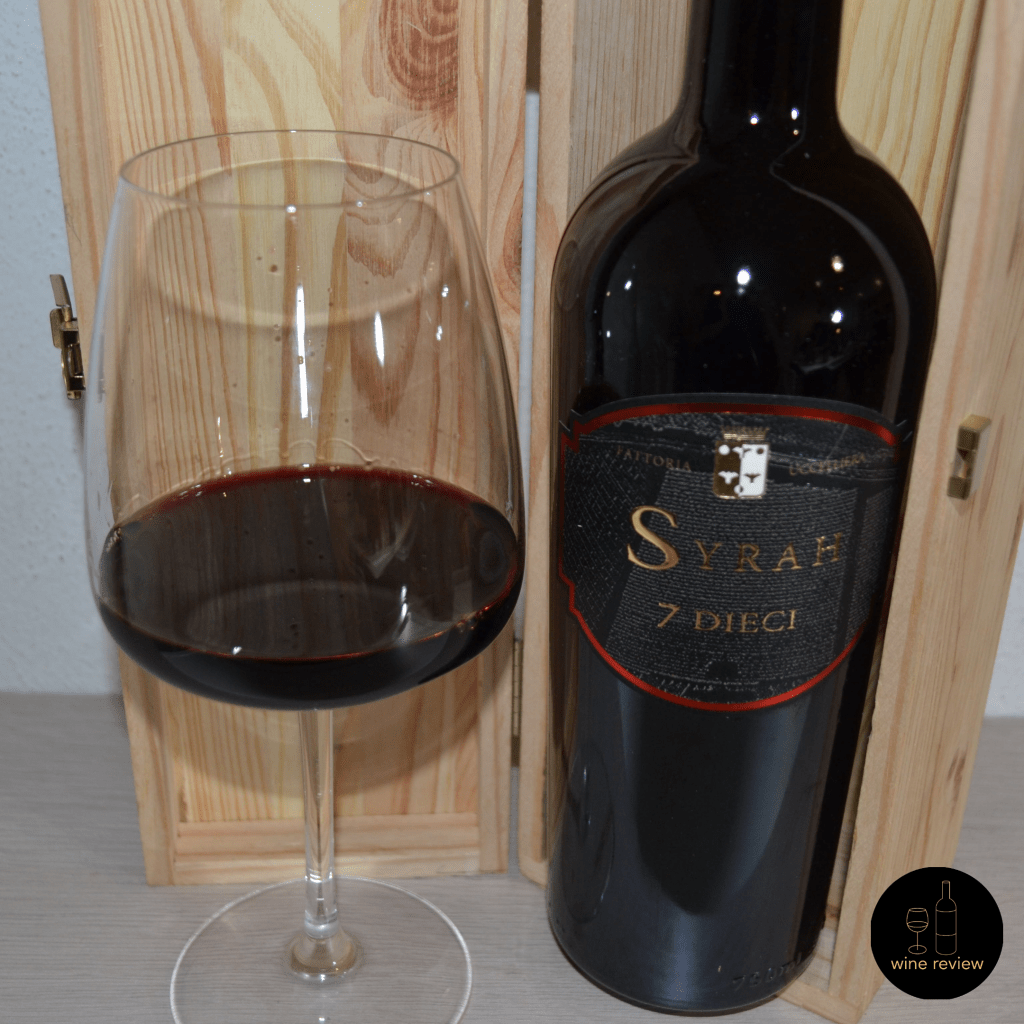
Syrah 7Dieci di Fattoria Uccelliera

The Fattoria Uccelliera company was born in the late 1960s from the passion of Antonio Bulleri and Maria Elena Poggianti in the Tuscan hills in Crespina Lorenzana in the province of Pisa. Today two generations work in the company and the third has already started. The winery and the many farmhouses are today the very welcoming and beautiful farmhouse where, in addition to wine, preserves, oils and spirits are produced.

We had the pleasure of tasting a very important wine for the cellar: Syrah 7 Ten name that recalls the date of birth of the company founder, Antonio and produced, in purity, from grapes
Syrah, grape variety he loved. The wine has a ruby ​​red color with a very full-bodied aroma of red fruit and spices. Personally, it is a wine that impressed me very much as each sip expresses a work taken care of in every detail, presenting fine tannins and a long aftertaste of those flavors that emerge on the nose.

Our gastronomic advice is to combine this wine with red meats, game, egg pasta and cheeses.
ABATE NERO

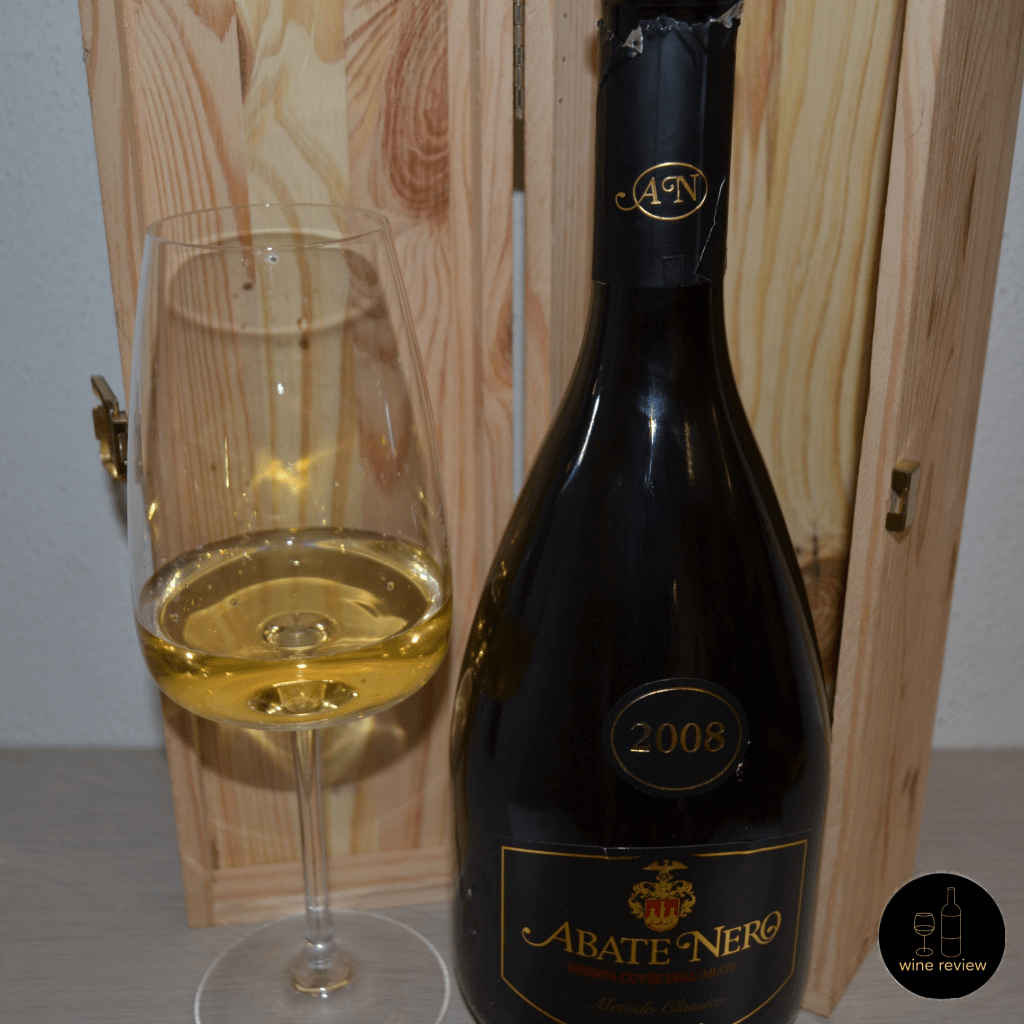
Trentodoc Cuvée dell’Abate Brut Riserva 2008

The name Abate Nero evokes the figure of the French abbot believed to be the “father” of Champagne. It was born in the early 70s by Luciano Lunelli and some friends determined to develop ever more singular, good, prestigious “bubbles”. The first cuvée is assembled in 1973 was a success. The company’s first headquarters is the cellar of Palazzo de Schulthaus in the center of Lavis, which had once also seen the first sparkling wines of Giulio Ferrari. Later he moved to San Lazzaro where anchors we find the cellar. In the 1990s, the company decided to start the production of sparkling wines whose permanence on the lees has increased for the taking of foam for much longer. Of particular importance for the company are the vintages: 1994,2004,2008.

We had the pleasure of tasting the 2008 classic method reserve Abate Nero. Spectacular wine, produced with only Chardonnay grapes. As already mentioned, it ages for a long time on the lees, in this case for 80 months. Straw yellow color with golden reflections and a very fine and persistent perlage. There are floral notes, dried fruit, honey and panbrioche. On the palate it is understood and highlights an extraordinary evolution.

This wine can be paired both with pork or other nice ones with not too strong flavors but also with fatty fish, even vegetarian. Optimal to enjoy in company and to celebrate a special event.

Italo Cescon

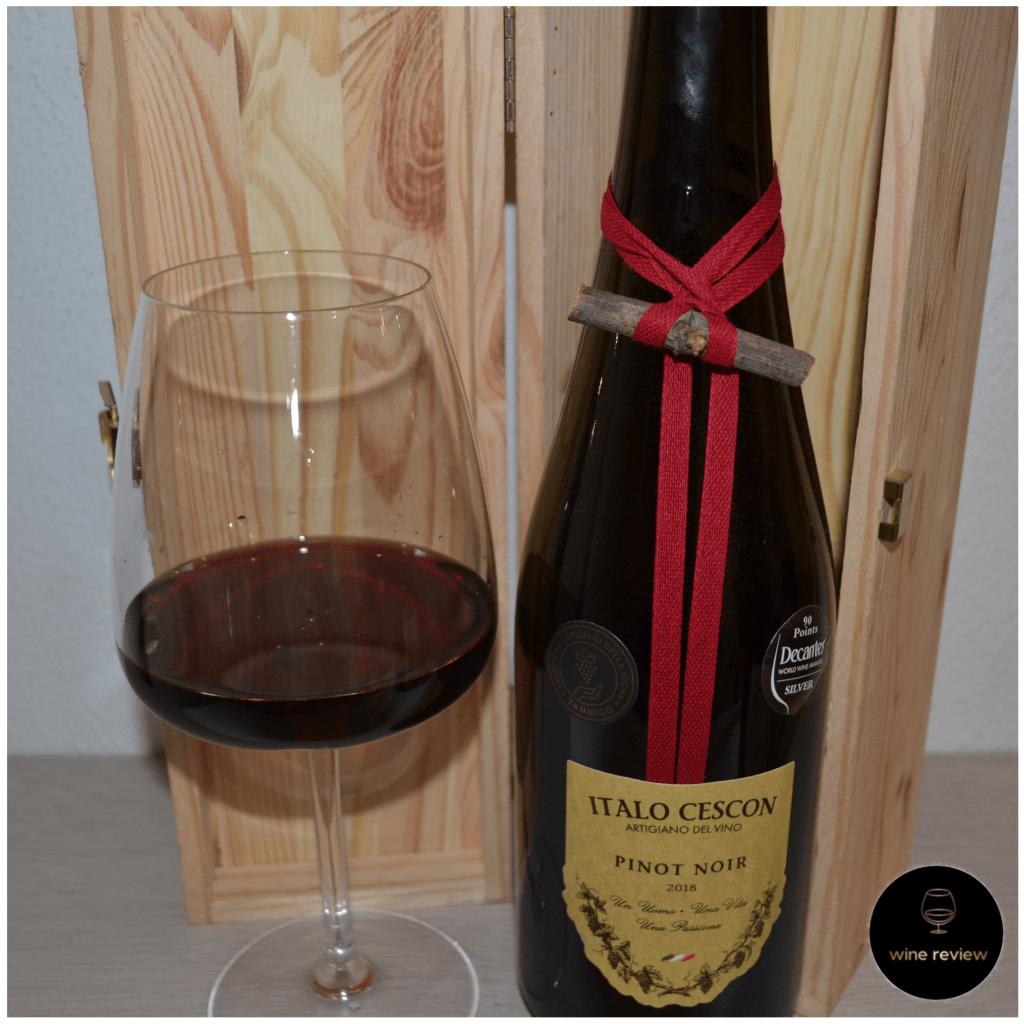
Pinot Nero Tralcetto di Italo Cescon

The Italo Cescon winery was born in 1957 about 30 km from Treviso from the intuition and courage of the founder who gives the winery its name. Even the bottles retain their tradition in that they keep the straw paper label written entirely by hand and the unmistakable Tralcetto. In the 1980s the cru line of Doc Piave wines was founded: Raboso Doc Piave and Manzoni Bianco 6.0.13, also known as Incrocio Manzoni 6.0.13. Today the company continues its work thanks to the third generation.


The attractiveness and difficulty of growing a grape like Pinot Noir has led us to the Italo Cescon winery. With a much sought after maceration, Pinot Noir is aged for 6 months in cement tanks and for a further 3 months in the bottle. It has a fine and elegant ruby red color with flavors that emerge by the glass such as those of red fruits and citrus fruits but also spices. It has a harmonious and persistent body.


We recommend it with beef or veal, if you want with game or poultry. Wanting also with meat-based first courses.

FRANCIACORTA BERLUCCHI

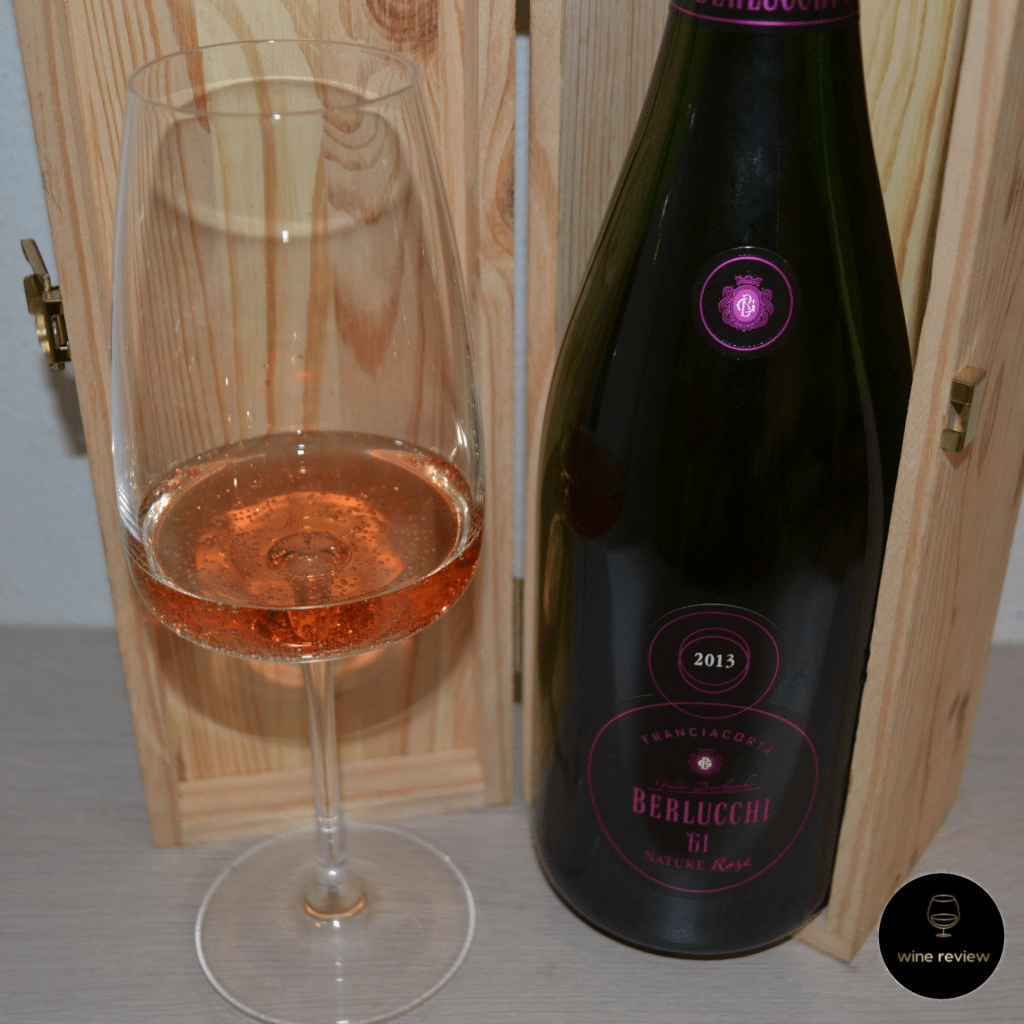
BERLUCCHI ’61 NATURE ROSÉ

The winery was born in 1955 from the idea of ​​Franco Ziliani and Guido Berlucchi to create a sparkling wine “in the manner of the French”. Berlucchi therefore found his partner for an adventure that would lead him to change the fate of Franciacorta. In 1961, three thousand bottles of Pinot di Franciacorta were sealed which turned out to be excellent. In 1962 the first Italian classic method rosé was created, Max Rosé. In the following years, the flourishing interest in the brand convinced the trio to try their hand at new productions. Pinot di Franciacorta became the Imperial Cuvée, the Cellarius Millesimati were born. In 2000 Guido Berlucchi died but the company was able to overcome this sad moment and continued to work hard to achieve great results such as the recent release of the ’61 Franciacorta Nature.

We had the pleasure of tasting the ’61 Nature Rosé which was born from a project born in 2016 which today boasts three vintage Franciacorta wines: ’61 Nature, ’61 Nature Rosé and ’61 Nature Blanc de Blancs united by long aging and absence dosage that subsequently refine in the bottle for at least 5 years. The ’61 Nature Rosé is made up of white Pinot Noir grapes. Refine a first time in bottle for 6 months in contact with yeasts then a second for at least 5 years. It has a salmon pink color with fine and persistent perlage. Notes of peach, flowers emerge. Everything comes together in an elegant and balanced Frnaciacorta.

We recommend it as an aperitif but also with fish dishes, fries or sushi.

Cantina Terlano

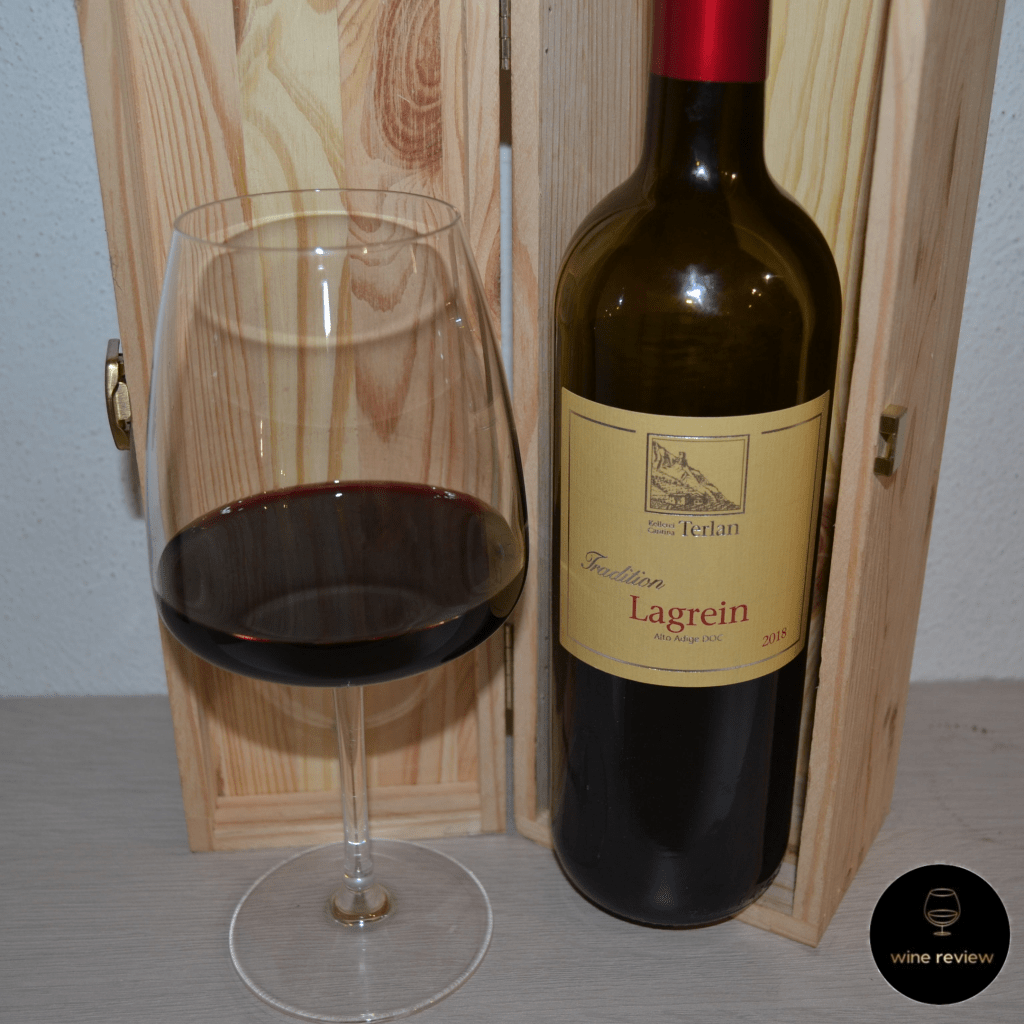
Lagrein di Cantina Terlan


Founded in 1893, the Terlano winery is one of the most avant-garde producer cooperatives in all of South Tyrol. Made up of 143 current members who cultivate 190 hectares of vineyards, equal to 1.5 million bottles. The distribution of the wines produced is divided into two clearly differentiated quality lines: the Selections and the tradition line. In addition, every year we put on the market a “rare” wine, aged for at least ten years in our cellars, and designed to give visibility to our philosophy of longevity of wines. The terroir is clayey, sandy and mainly made up of minerals.

The wine we tasted is Lagrein produced with the homonymous grape variety. Wine produced through slow and controlled temperature fermentation in stainless steel tanks. Aging for 7-10 months in large wooden barrels. It has an intense red color tending towards garnet. It highlights evident fruity notes enriched with floral scents. In the mouth it is balanced with high but refined tannins, marked alcohol content attenuated by the flavors that releases this wine.

Recommended with meat first courses but also second courses but also with sausages and crescentine. If desired, it can also be accompanied with aged cheeses.

VALDO

Valdo Origine Spumante Brut

The story begins in 1926, when a group of enterprising entrepreneurs from Valdobbiadene decides to create something in the Vini Superiori Anonymous Company. At the beginning of the 1930s, the company came from the Bolla family which changed its name to Valdo Spumanti. Prosecco Valdo immediately recalls the upper territory of Valdobbiadene enhancing its culture. From 2015 to today he has received numerous awards, the latest being the BERLINER WEIN TROPHY and Mundus Vini gold medal.

We tasted Valdo Ordigine which contains in the tradition recipe handed down from generation to generation until today. Produced from Glera grapes with the Charmat method for three months and subsequent maturation in the bottle. Greenish yellow with fine bubbles. Intense smells of ripe white pulp fruit. Lively and harmonious.

Gastronomically combinable with appetizers or appetizers based on oily fish, seafood or hard and aged cheeses, first courses and pizza.

Follow us on instagram @wine.review_

AR LENOBLE

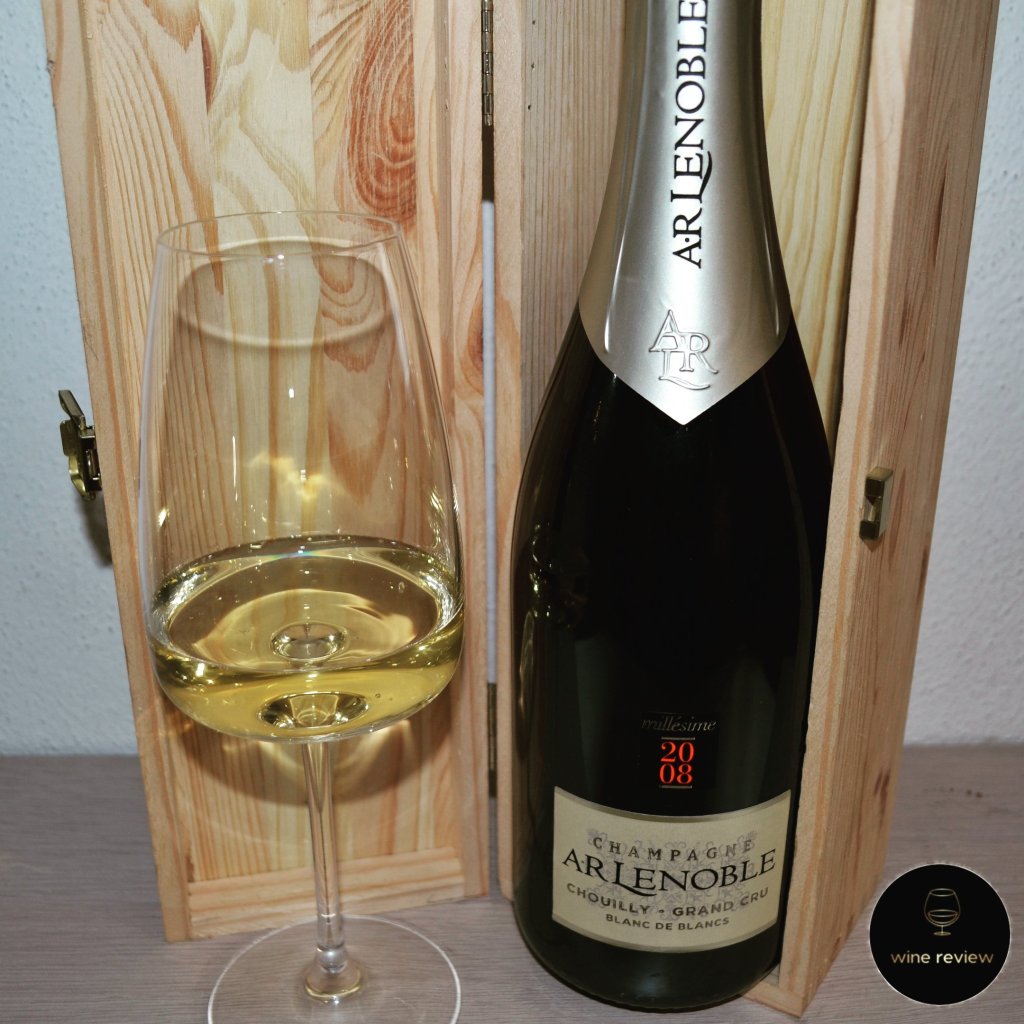
Grand Cru Blanc de Blancs Chouilly di AR LENOBLE

The historic Champagne Masion AR LENOBLE is located in Damery in the heart of the Valle de la Marne. Their story begins during the war when Joseph Graser fled the Germans and left Alsace, to reach Epernay on foot where his wife Alice was born. He died suddenly, in the middle of the street, at the age of 44. His son Armand-Raphaël dreamed of being a doctor but having become the head of the family, he had to bear the costs and invest his life in wine. In 1920, he expanded the business by launching into the production of Champagne Graser, which quickly renamed “AR Lenoble”, created the brand. “AR” for its initials and “Lenoble” in homage to the nobility of Champagne wines. 4 generations will have therefore success and they will maintain the domination of the completely independent family, bringing all strong values defended with commitment and dedication. Today, it is Anne and Antoine Malassagne, brother and sister, who manage the estate. For over 20 years, guided by their beliefs, they have shaped the Champagne AR Lenoble. By freeing themselves from the attractive public purchase offers that opened their prospects for peaceful and rapid development for them, they were able to preserve their freedom. This precious independence guarantees constantly improved quality, never disturbed by the demand for immediate profitability and tax. The house has 18 hectares producing 320,000 bottles per year.


Thanks to the careful selection of the Italian wine shop, we have tasted the 2008 Millesime Blanc de Blanc Grand Cru. This cuvée comes from a selection of the most beautiful grappas of Chouilly Grand Cru. The 2008 vintage reveals a subtle and characteristic aromatic range of Anna and Antoine’s work. Bright straw yellow color with intense and persistent pearlescent. The nose expresses notes of brioche, almond, honey and ripe fruit. In the mouth it is creamy, fresh, mineral and incredibly balanced.


To be enjoyed with fatty fish, seafood or soft soft cheeses.

Follow us on instagram @wine.review_

Braida

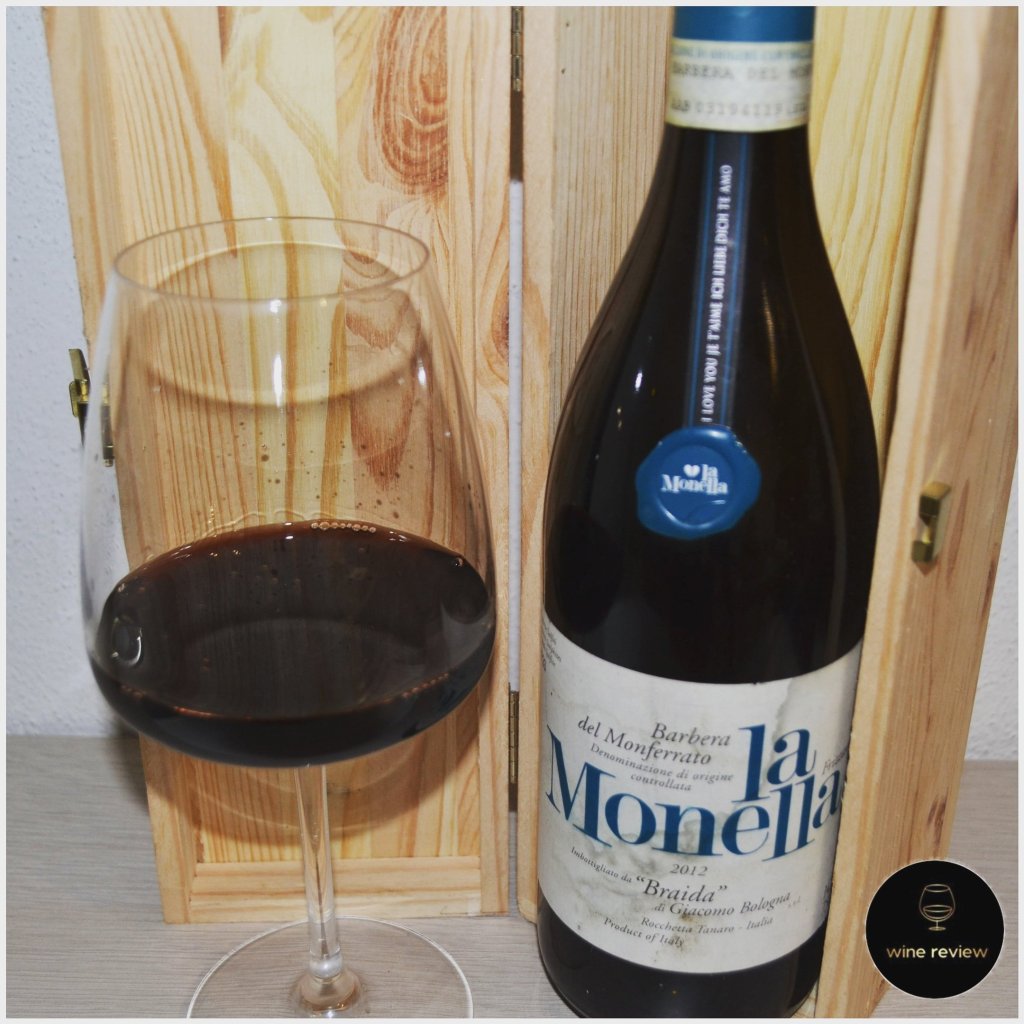
Barbera del Monferrato Frizzante di Braida

Braida is the story of Raffaella and Giuseppe, two brothers who bring the heritage of an exceptional family of Italian wine into their genes and gestures. Their history is linked to that of Rocchetta Tanaro, a small town in the Monferrato area of ​​Asti. 1961 is the date of the first vintage of the Barbera del Monferrato lively “La Monella” then bottled. Grapes grown and harvested in areas highly suited to viticulture, are processed in the cellar with the help of the most modern and sought-after oenological technologies, always used in full respect of the most ancient traditions.
This is how for years the Braida family has been synonymous with Italian drinking in the world, thanks to labels that, in addition to the “Bricco dell’Uccellone”, are expressed in names such as “Montebruna”, “La Monella”, “Il Baciale ‘” , “Bricco della Bigotta” and the others. Wines today symbol of the maximum Piedmontese and Italian wine excellence.

We tasted Barbera del Monferrato Frizzante made with Barbera grapes. Makes ten days of maceration on the skins, then a maturation of at least four months in steel, followed by two months of aging in bottle. It has a ruby ​​red color with purple reflections and a lively, slightly sparkling foam. The nose expresses a fragrant, bursting and vinous perfume, characterized by numerous hints of red fruit. On the palate it is lively, very fresh, soft and full-bodied.

It is a wine that can be combined with everything: from cold cuts, to boiled, mixed grilled, roasted and braised but also soft cheeses and broken foods.

Follow us on instagram @wine.review_

Cantina Colterenzio

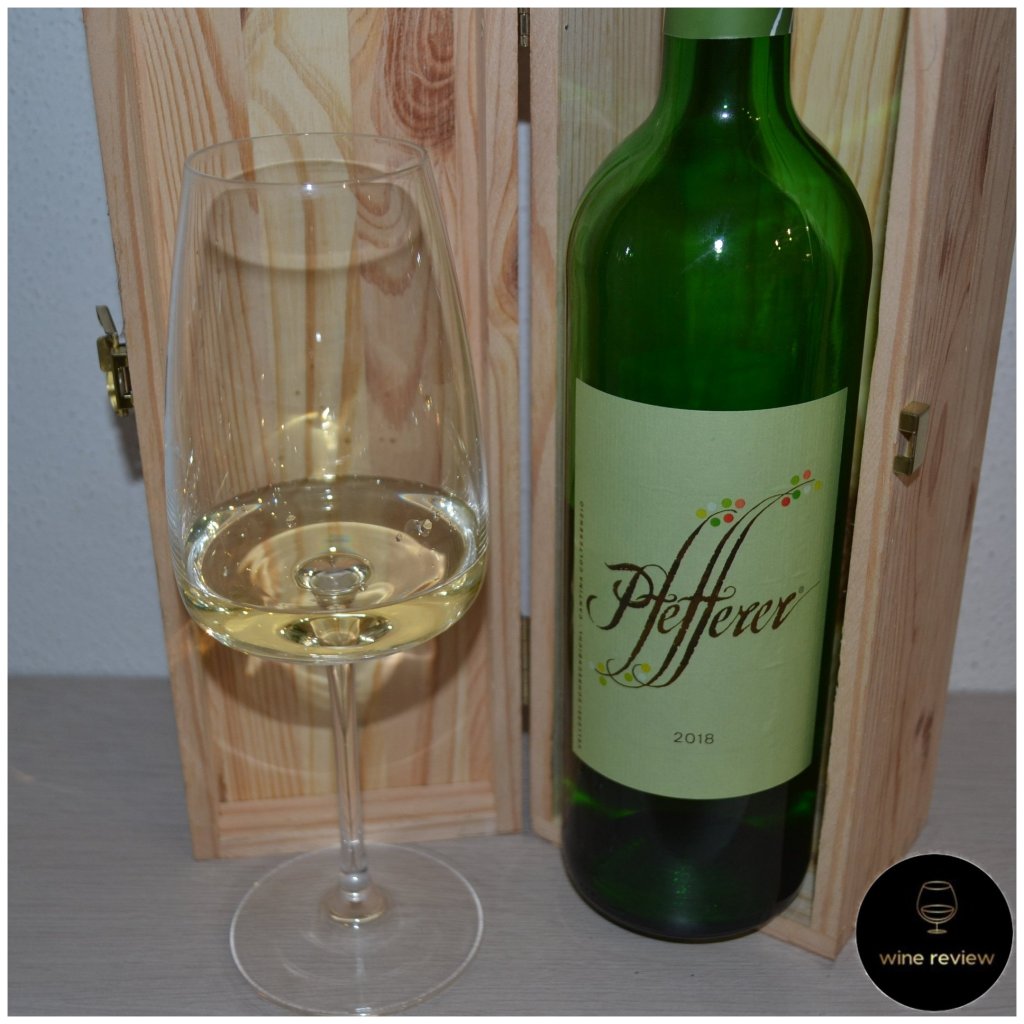
Pfefferer di Cantina Colterenzio

In 1960, 26 wine growers from Colterenzio founded their cooperative near Appiano, thus making themselves independent of the wine merchants who at the time outlined the prices. Luis Raifer set fire to the powders and in 1979 joined the cooperative as director. First of all, in his farm “Lafòa”, a hill kissed by the sun, he replaced the vines of Schiava with those of Cabernet Sauvignon and later with Sauvignon Blanc. It introduced a lower harvest quality standard, compared to fine grapes, for excellent wines. To date, there are 300 winemakers: members of the Colterenzio winery. It gathers with a classic line of wines produced with the typical South Tyrolean varieties.

The wine we tasted is produced from yellow muscat grapes. It stands out for its incredible freshness but also for its spicy aroma, scented notes and hints of nutmeg.
Vinified and left to mature in steel tanks only in order to preserve its fragrance and immediacy.

Excellent wine as an aperitif but also with spicy or fish dishes. Wanting also with herbal cheeses.

Follow us on instagram @wine.review_

FATTORIA LA GERLA

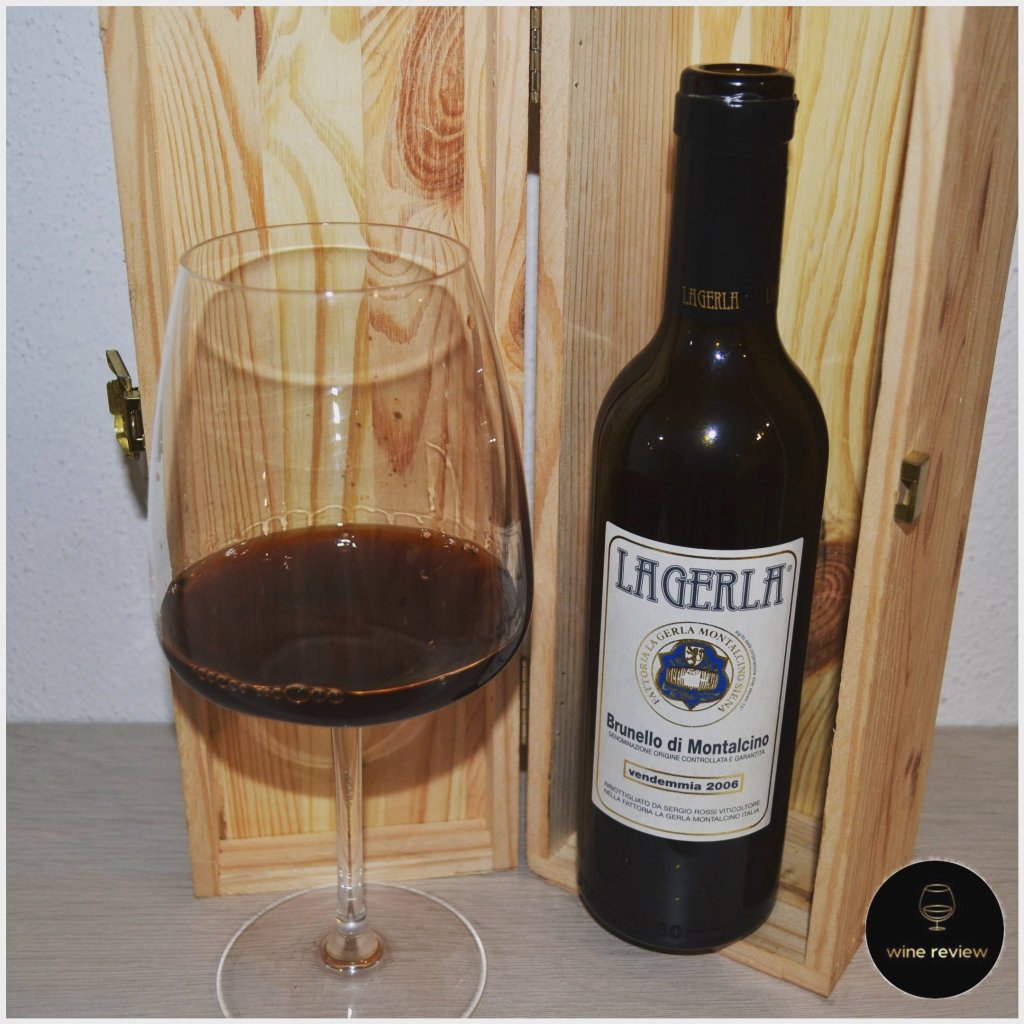
Brunello di Montalcino di Fattoria La Gerla

La Gerla was born from the passion of its founder Sergio Rossi who falls in love with the territory of Montalcino, harsh and sweet at the same time and almost becomes a true “Chinese” by loving his vineyards as if they were children. The farm, with its characteristic name Colombaio, was a property of the Biondi Santi family which since then has obtained one of the best Brunelli in the area. Sergio Rossi, bought it in 1976, completely restructured it respecting the original environment and shortly thereafter, in 1978 he created and spread the brand La Gerla. Sergio Rossi left us in July 2011 but what he has taught us all will remain in particular his great attention to quality and details that make the difference especially in these wines and his philosophy will continue to be a point of reference to allow us to continue producing great wines. The company is currently managed by Sergio Rossi’s heirs. In addition to the wine, the company produces grappas and oil. Today it is a brand that distributes all over the world.

We tasted the Brunello di Montalcino from 2006 which despite its past years retains its ruby ​​red color tending towards garnet. The taste shows a great harmony between flavors and aromas making the wine very balanced. You can hear hints of flowers and fruits of the undergrowth. It is an elegant and pleasant wine. Since the harvest of the bunches, they are selected and then vinified in steel. It follows an aging of 4 years in Slavonian oak barrels and then refined in the bottle 8 months before being placed on the market.

Our gastronomic advice is to combine it with red meats, preferably game. If you want, you can also drink this wine with truffle dishes, mushrooms or even aged cheeses.

Follow us on instagram @wine.review_

Progetta un sito come questo con WordPress.com
Comincia ora