Tenuta San Pietro is a historic organic winery in the GAVI D.O.C.G. located on the gentle hills of the Municipality of Tassarolo between Piedmont and Liguria. The company owns 100 hectares of total area of which 35 are dedicated to Cortese production and the remaining part to native black grape varieties such as Albarossa, Barbera, Nibio and Cabernet Sauvignon and Chardonnay that we use for the production of sparkling red Monferrato.
They divide their production into three lines: San Pietro Line, Excellence Line and Le Rarità. In addition, they also produce all organic grappa and passito.
Organic wine is defined as coming from 100% organic grapes grown without the use of synthetic chemical agents in the vineyards while in the cellar the vinification must take place with the limited use of sulphites and certified organic wine products.
TENUTA I GELSI
The Tenuta i Gelsi winery was founded in 2003 to enhance the family’s 10-hectare viticultural heritage and the Basilicata territory for naturalistic and scenic beauty. The name derives from the centuries-old “Mulberry” trees that line the driveway to the estate, planted for the harvest of fruit but especially the leaves used to feed the silkworm raised in the sixties on the same estate. The winery is located in the Vulture in the hamlet of Monticchio Bagni. It is the Vulture side that overlooks the Ofanto Valley at an altitude of about 450 meters with volcanic deposits and a sandy clay soil. Ruggiero Potito firmly believed in the ability of his land to give priceless fruits such as Aglianico del Vulture, introverted, grumpy, surly but also capable of great sweetness and delicacy with the passage of time.
DRAGA
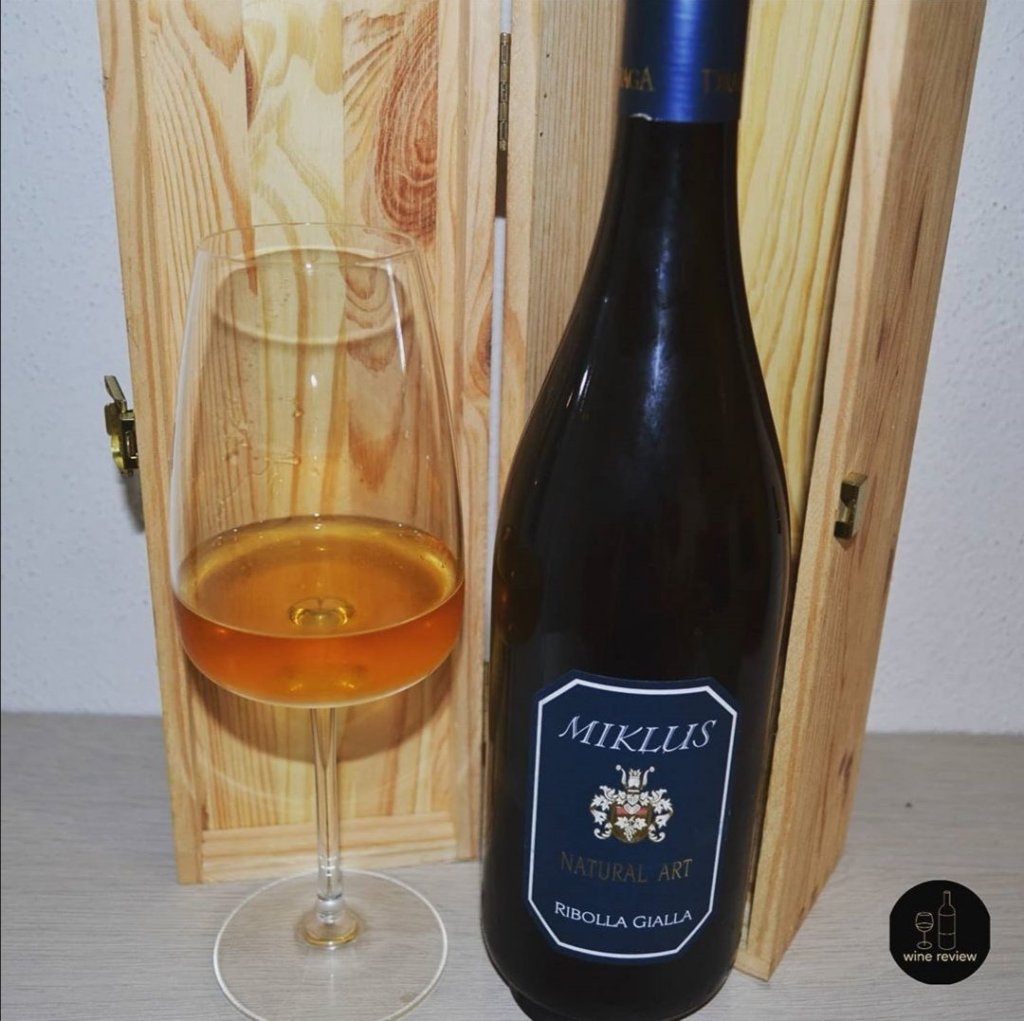
The Ribolla Gialla “Miklus” by Draga is an orange wine, that is a wine born from white berried grapes but vinified in red with long maceration on the skins thus obtaining a great aromatic extraction and reaching the typical amber color. Produced from selected and manually harvested Ribolla Gialla grapes. Fermentation with the skins for 14 days in acacia oak where it matures for 48 months.
An incredibly structured and full-bodied wine with a fine acidity that lets emerge in a very balanced and clear hints of dried fruit and licorice. Refining the ribolla giallo is not for everyone, Draga does it with skill, making this wine unique for its peculiarities.
Tenuta i Gelsi
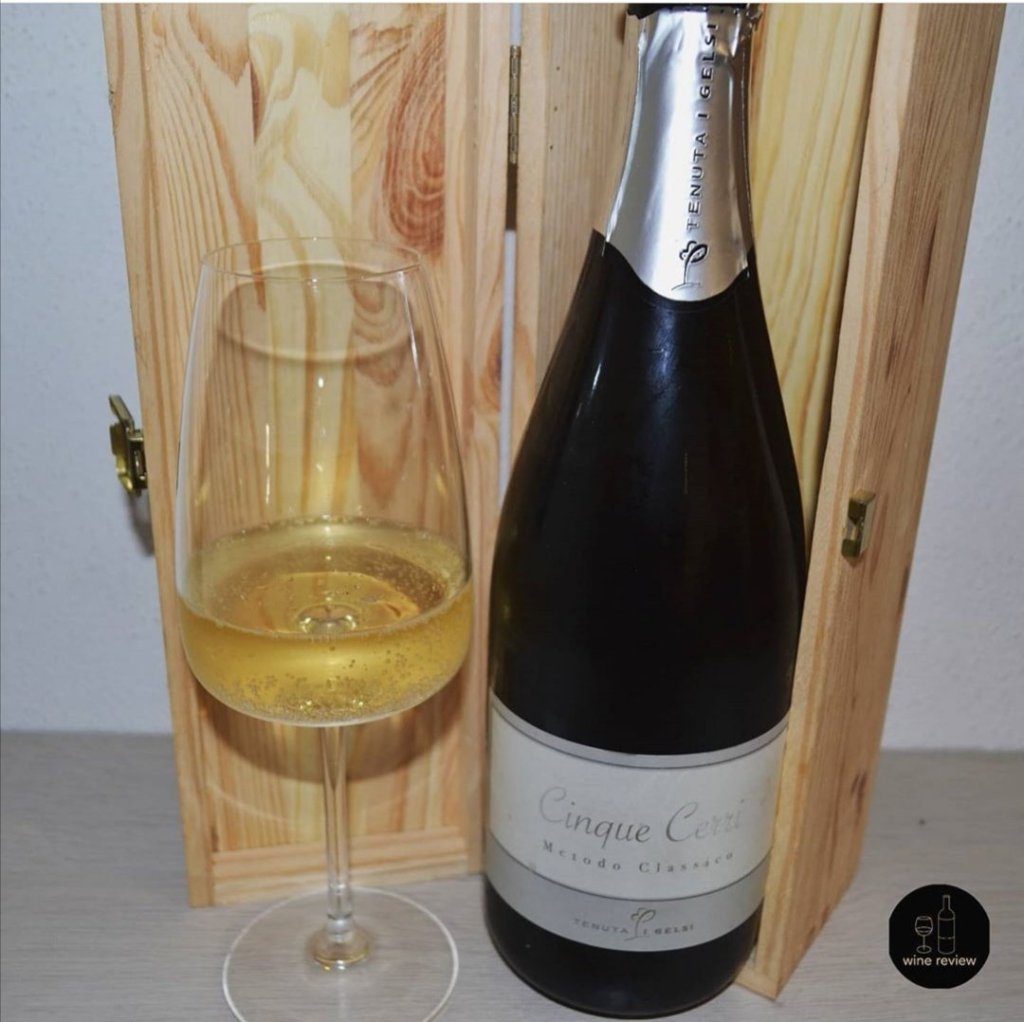
Tenuta i Gelsi was founded in 2003 to enhance the family heritage and the lands of Basilicata on which the Aglianico vines grow. The name of the winery derives from the centuries-old “Mulberry” trees that line the driveway to the estate, planted for the harvest of fruits but especially the leaves used to feed the silkworm raised in the sixties on the same estate. The company mainly produces Aglianico del Volture but also Malvasia. Soft pressing of the
Whole bunches, static decantation of the must, fermentation at controlled temperature with selected yeasts then refined and resting on noble lees for at least 4 months periodically reassembled in steel
I tasted the cinque cerri, a classic method produced by Cantina I Gelsi following a collaboration started with them. I was blown away! On the palate it was incredibly delicate. With a straw yellow color and fine bubbles with a fresh finish.
BANINO
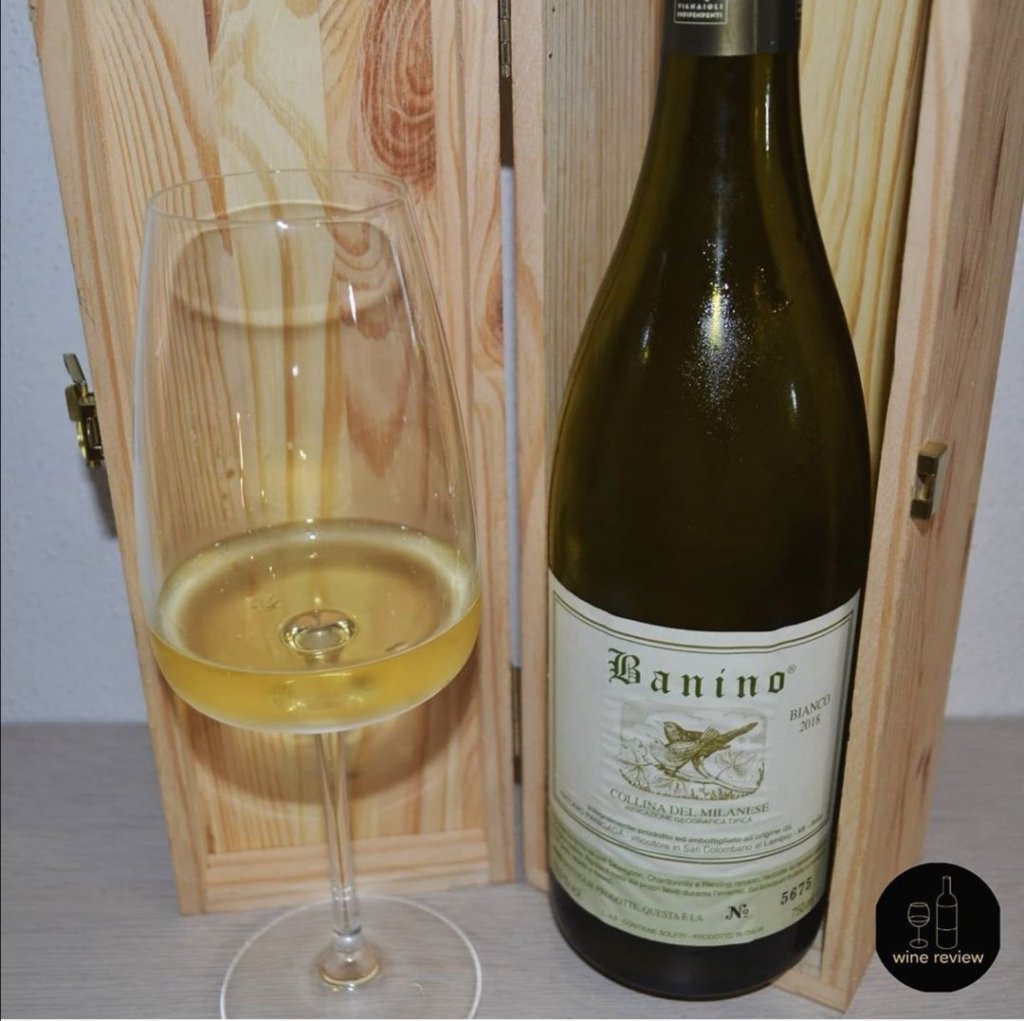
For three generations the Panigada family has been producing a wine bearing the curious name of Banino in the lower Milan area. The name of the wine has its origins in the sixth century when San Colombano Christianized and imported the cultivation of the vine into the village that would take his name. In winemaking, the long times that nature requires are respected in the aging process, in order to obtain a product of excellent quality, not giving in to any forcing or chemical treatment to chase the market.
I was struck by the sweetness of Risling, which combined with the Sauvignon and Chardonnay grapes, gives this wine a touch of magical harmony that goes against the flavor of the more pungent Chardonnay. Together they give a product of natural elegance.
Le Sughere
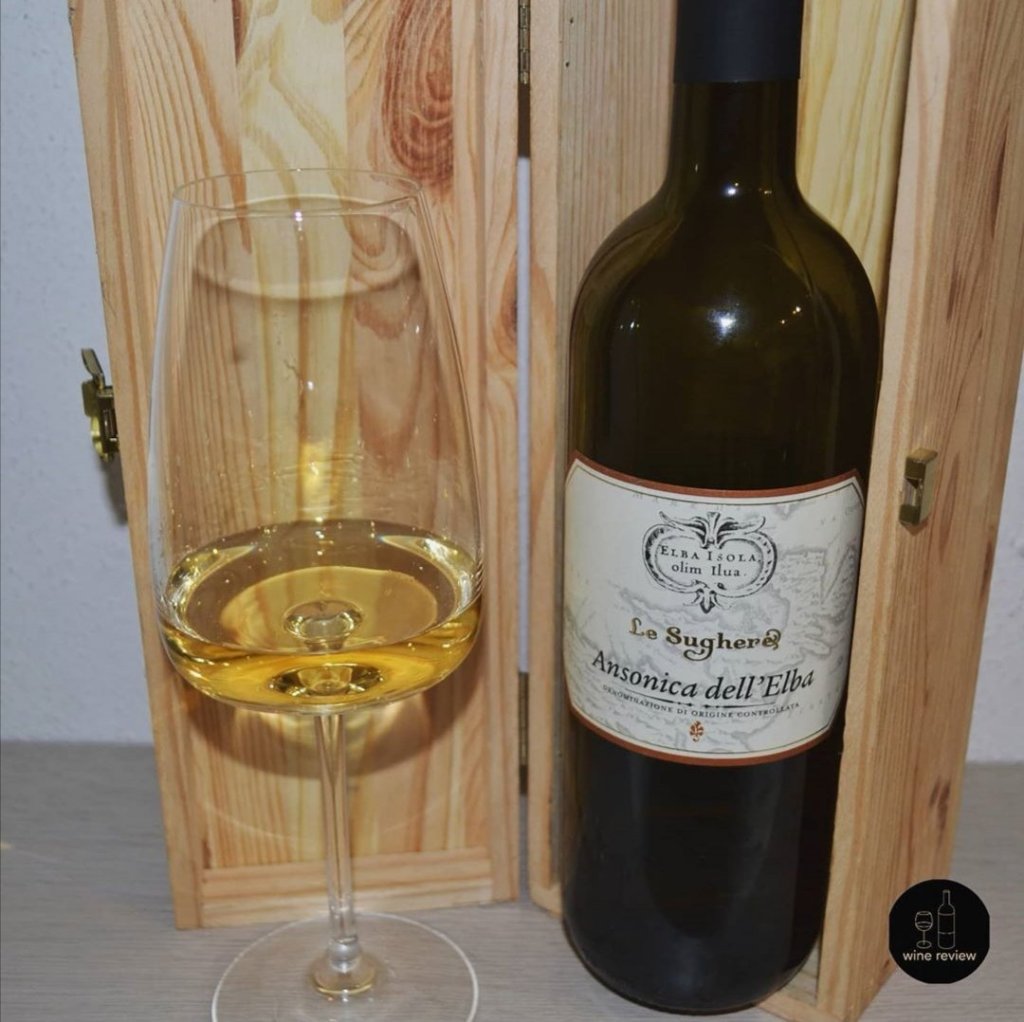
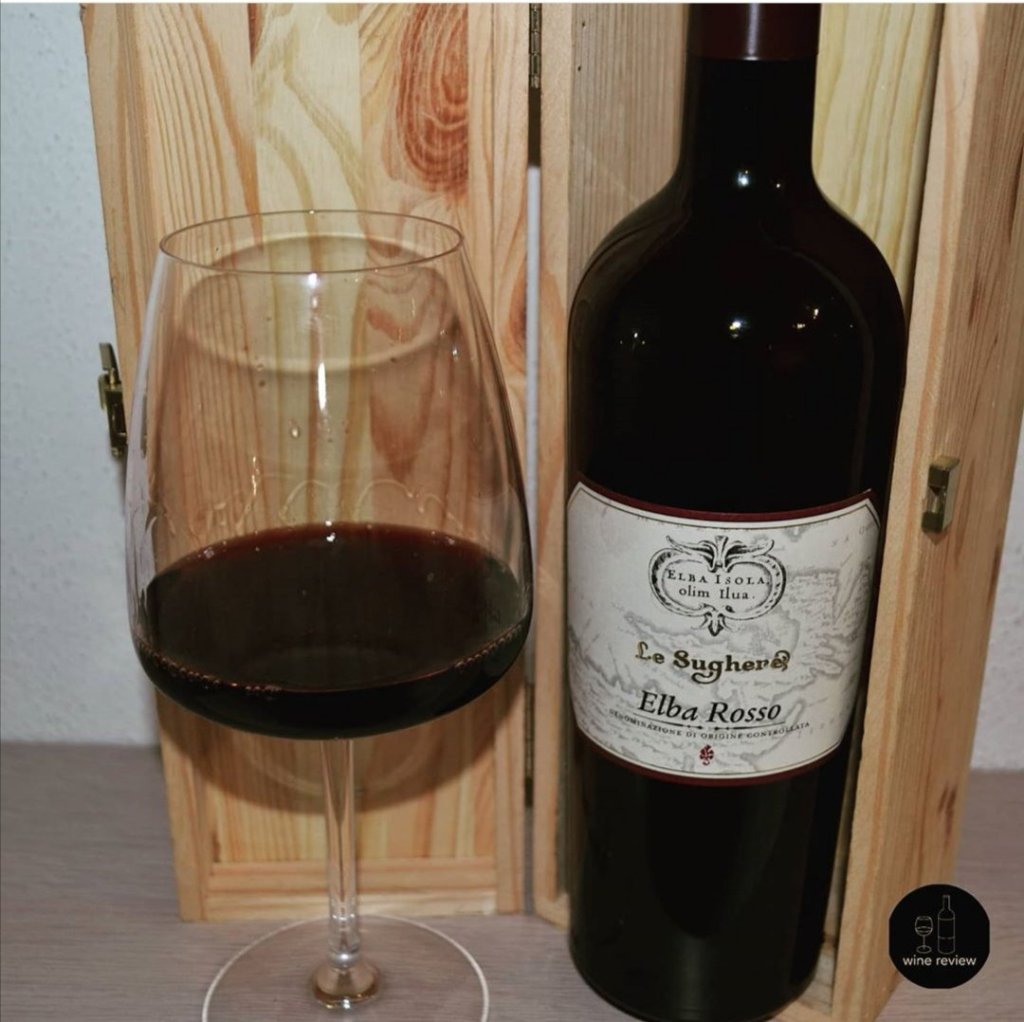
The Le Sughere del Montefico farm is located in the eastern part of the Island of Elba. It has 35 hectares whose vineyards are located on hilly terraces of a soil rich in minerals, sloping down to the sea on one side and close to the wooded mantle of cork trees, Mediterranean scrub that covers Mount Fico on the other. This double exposure to two different climates gives the wines aromas and flavors that reach their maximum expression in the passito wines.
I discovered this winery thanks to a friend who had returned from Elba. I tasted the red elba and the ansonica dell’elba. Both are very good with each his particularity. The Red produced with 100% Sangiovese grapes has a fresher body than the classic products with the grape of the same name. It retains its fruity flavor. The white, on the other hand, is produced with ansonica grapes and has a marked sapidity given by the minerality given by the soils that make this wine lovable. Rich in sweet and delicate flavors. Both have aging potential, especially white, when kept in optimal conditions.
FUFLUS
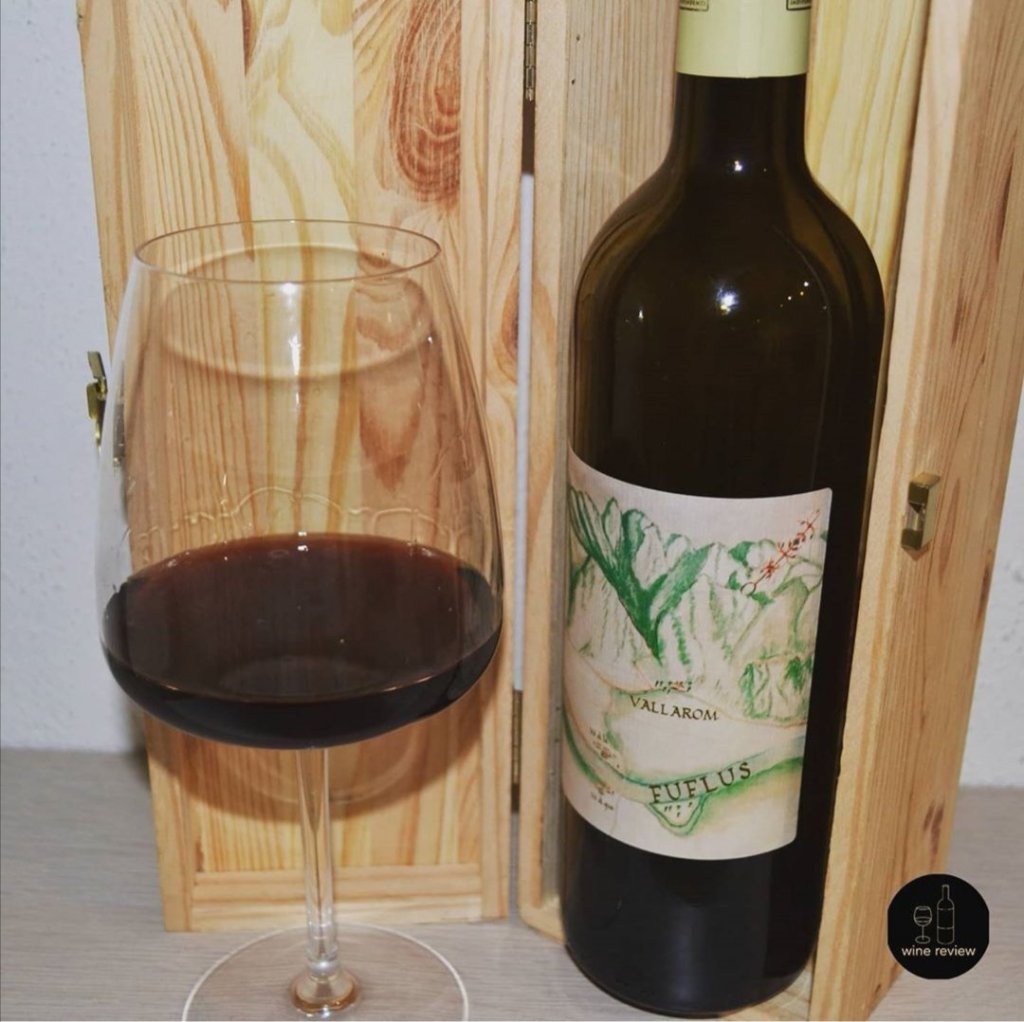
Fuflus is a strange and unusual name. It refers to the onomatopoeic nickname of the Adige river that fluctuates and crosses the Vallagarina, but also recalls the name of the Etruscan god of wine, son of the earth and patron of intoxication, called ‘Fufluns’. It comes from international red grape varieties such as Cabernet Sauvignon, Syrah, Merlot and Cabernet Franc. Vinified in red in contact with the skins for 15-18 days and from an aging of 18 months in barrique and another 18 in the bottle that give rise to a great wine. In the glass it reveals hints of red fruit, balsamic herbs, coffee, dark chocolate.
To be researched and complex found at the Mirò Wine Bar in Val di Fassa. A beautiful expression of the Trentino area. the history of its lands is told from the label, even if produced with non-typical vines. Wine with a strong and impressive flavor, difficult to forget.
MARCEL DEISS
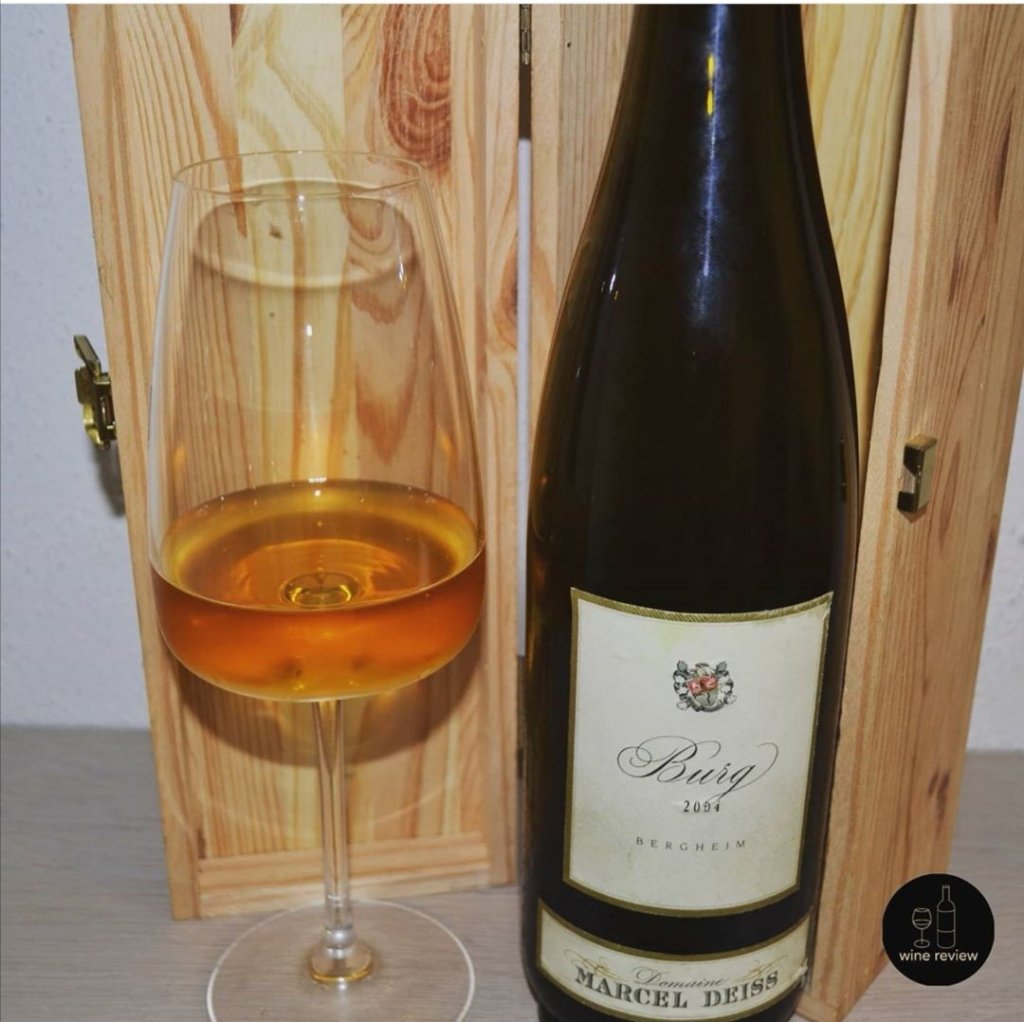
The Premier Cru Burg made by the Marcel Deiss winery is an aromatic white wine that is a real ode to the art of cutting. More than 10 are in fact the vines that give life to this label. All these varieties grow cultivated with organic and biodynamic farming practices, sinking their roots in a marly subsoil. Pressed together, the must ferments spontaneously thanks to the presence of indigenous yeasts in large oak barrels. Refinement follows, in which the wine rests for 12 months in wood. Amber color that lets emerge aromatic herbs alternating with fruity and flint hints.
I had the pleasure of drinking Marcel’s 2004 Riserva which I found out of every scheme both for the particularity of combining several vines in a single bottle and for the triumph of flavors that all these grapes bring out even if it is difficult to distinguish them well between them. I’ll try it again!
Castello Vicchiomaggio
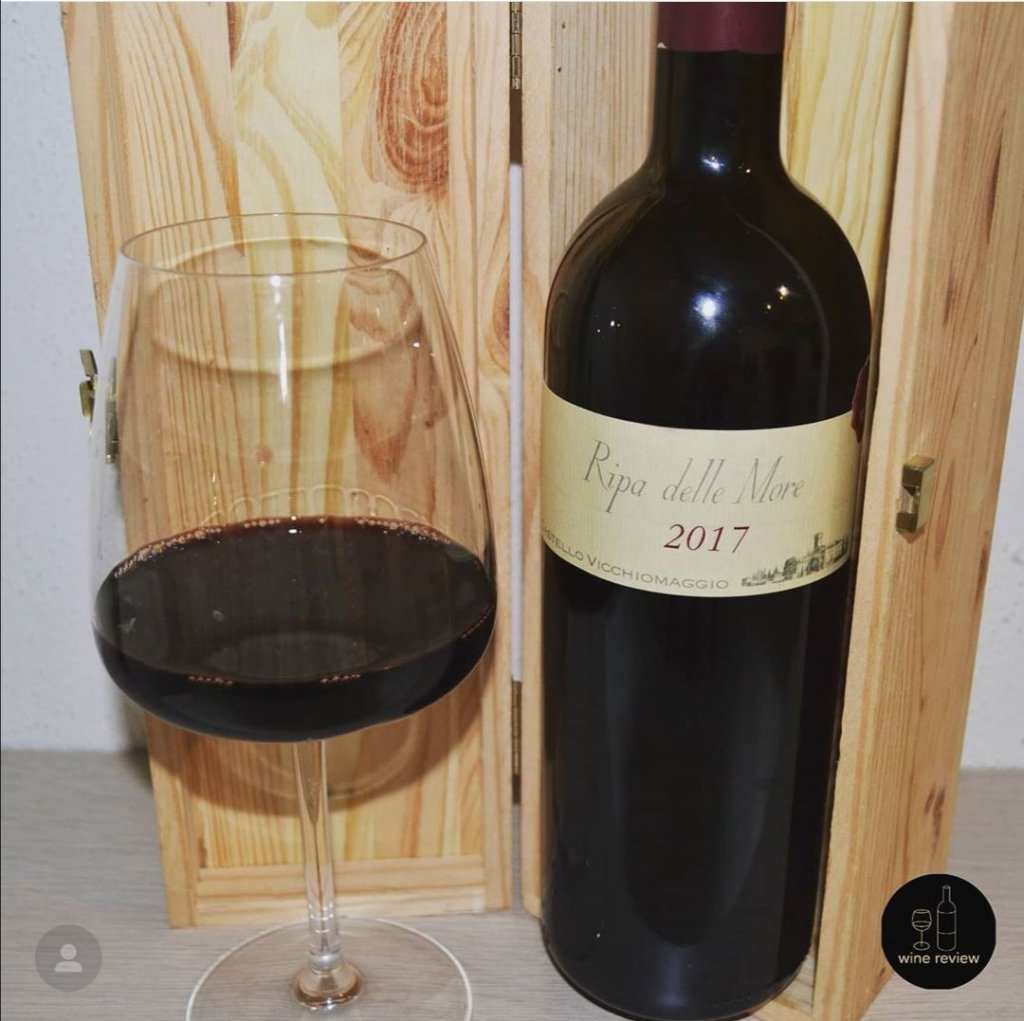
Ripa delle More is the incredibly full-bodied wine produced by the production of Castello di Vicchiomaggio. A red wine born from the perfect combination of Sangiovese, Cabernet and Merlot. Specimens from over twenty-year-old vines that guarantee low yields and excellent quality. Aging for a period ranging from 18 to 24 months in barrique contributes to the complexity and intensity of the wine. An unmissable red for all lovers of robust and decisive wines. With notes of mushrooms and fruity hints of currant, blackberry and vanilla. On the palate it is presented in a sumptuous and solemn way, very elegant, revealing a powerful extractive system and an enthralling freshness.
This bottle together with others are part of a collaboration born with the Vicchiomaggio winery. It was a pleasure to be able to collaborate with them as I had the opportunity to taste the wines of the best cellar of the Greve in Chinati. This bottle impressed me for its incredible softness and drinkability despite having a rather high alcohol content. Very interesting blend that if left to age in optimal conditions can become something incredible.
Jacques Selosse
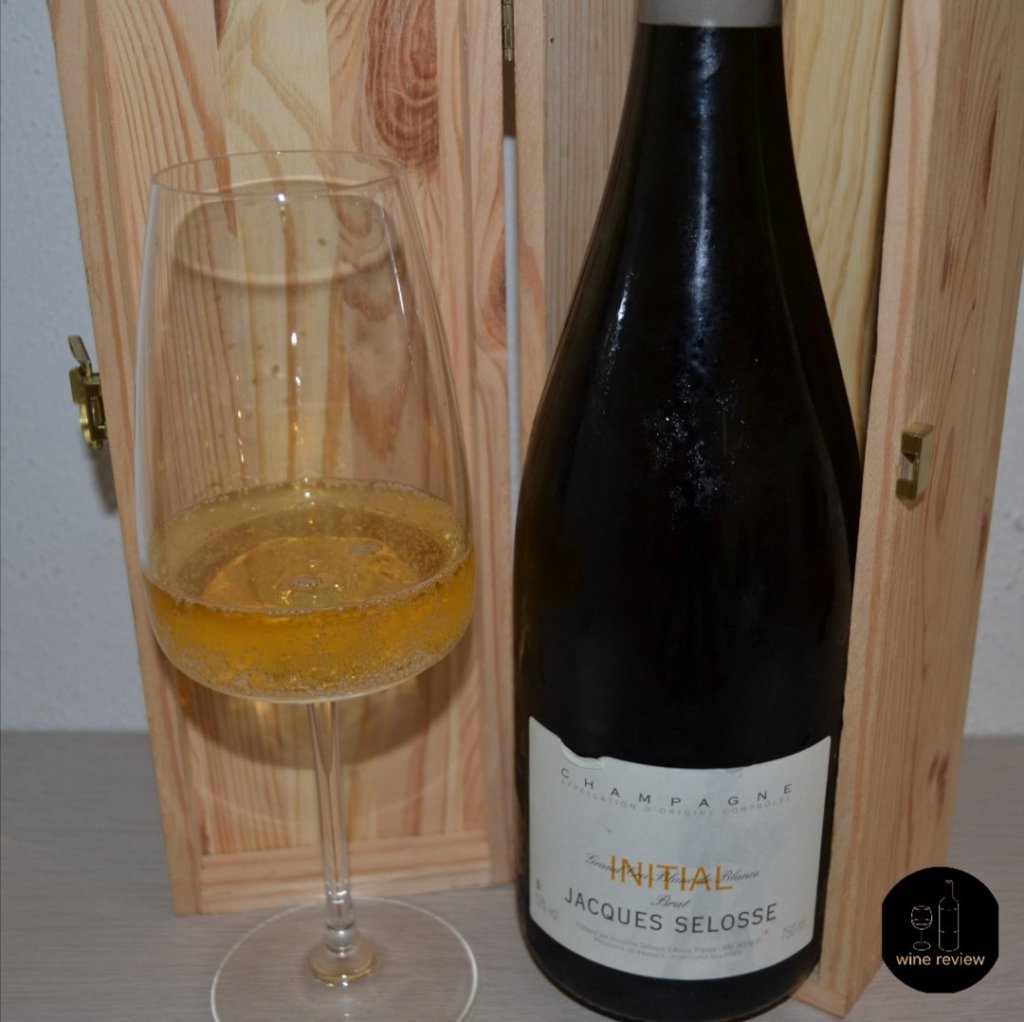
The Initial is an extraordinary Champagne characterized by the search for oxidation as a virtuous element of the harvest of grapes at full maturity that have become a trademark. With 7 hectares of fields in Avize, Ambonnay, Cramant, Ay and Oger, all cultivated in biodynamics. The Blanc de Blancs Initial comes from Chardonnay grapes in purity, coming from three different vintages as the base wines are aged following the Soleras method. The fermentation of the base wines takes place in Borgognone barriques only with indigenous yeasts and with the addition of sulfur dioxide of a few milligrams. The malolactic is carried out naturally, after which the bottling takes place for the second fermentation, which will be followed by a long aging on the yeasts. It appears in the glass with a deep yellow color tending to gold, and a fine and persistent bubble. Notes of butter, toasted almonds, honey and pastry are highlighted.
A bottle su generis given its particular level of oxidation. These like other champagnes must be liked, excellent for those who love this kind of bottles. What struck me about this Champagne was the union of flavors with oxidation that gives a different soul to what will be drunk, different from the usual French bubbles. A touch of class an incredible bottle.

